
iiiiiiJanuaryiii30,iii2023iiiiiiiiiiiiiiiiiiiiiiiiiiiiiiiiiiiiiiiIIiiiiiiiiiiiiiiiiiiiiiiiiiiiiiiiiiiiiiiiiiiiiiiiiiiiiiiiiiiiiiiiiiiiiiiiiiiiiiiiiiiiiiiiiiiiiiiiiiiiiiiiiiiiiiiiiiiiiiiiiiiiiiiiiiiiiiiiiiiiiiiiiiiiiiiiiiiiiiiiiiiiiiiiiiiiiiiiiiiiiiiiiiiiiiiiiiBYIiGABRIELLE CLARKE iiiiiiiii,,iiiiiiiiiiiiiiiiiiiiiiiiiiiiiiiiiiiiiiiiiiiiiiiiiiiiiiiiiiiiiiiiiiiiiiiiiiiiiiiiiiiiiiiiiiiiiiiiiiiiiiiiiiiiiiiiiiiiiiiiiiiiiiiiiiiiiiiiiIIIIIIIIIIIIIIIIIIIIIIIIIIiiiiiiiiiiiiiiiiiiiiiiiiiiiiiiiiiiiiiiiiiiiiiiiiiiiiiiiiiiiiiiiiiiiiiiiiiiiiiiiiiiiiiiiiiiii.iiiiiiiiiiiiiiiSASHADEAN COOMBS
Effects of the Transatlantic Trade on West Africa
and The Caribbean.
0 COMMENTS
iiii
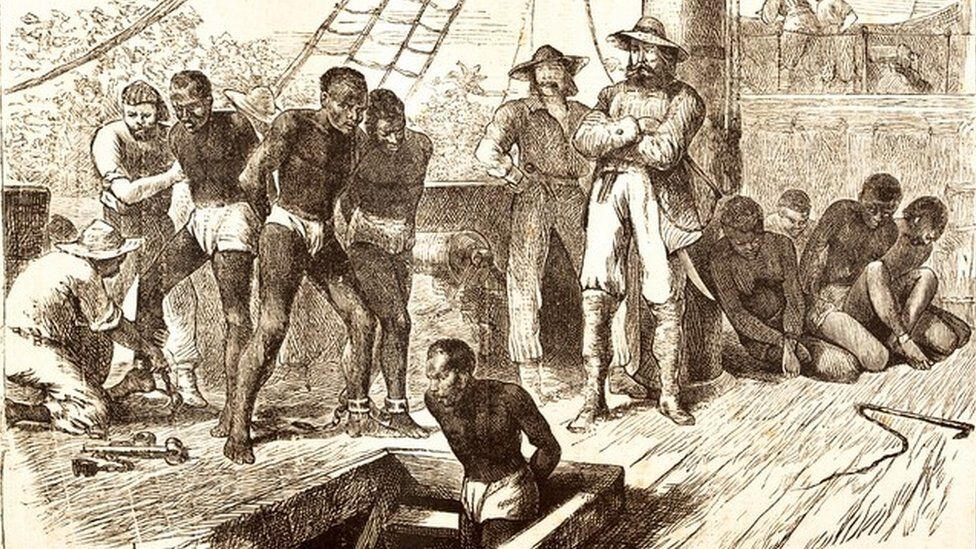
From the middle of the sixteenth century until the 1860s, hundreds of African men, women and children were captured by European traders and forcibly put abroad a ship sailing from the African coast to Europe, where they were sold or auctioned off in exchange for money, goods, or weaponry. They were bought and placed onto plantations — in the Caribbean — to work under gruesome and harsh conditions.
iiii
This is mind, you might be wondering;
What sort of effects had these acts had caused upon both affected regions?
iiii
The Slave trade affected both West Africa and The Caribbean in three major ways:
0 COMMENTS
iiii
Economic Effects
iiii
iiii
The arrival of Europeans on the West African Coast and their establishment of slave ports in
various parts of the West Africa triggered a continuous process of exploitation of Africa's human
resources, labor, and commodities. This exploitative commerce influenced the African religious
aristocracies, the warrior classes and the elite, who made small gains from the slave trade, to
participate in the oppression of their own people. Depopulation and a continuing fear of captivity
made economic and agricultural development almost impossible throughout much of western
Africa. Economic incentives for warlords and tribes to engage in the slave trade promoted an
atmosphere of lawlessness and violence.The transatlantic slave trade inflated West Africa's economy by reducing it to a monoculture based on the sale of human beings. As a result, the once strong and developed African states lost their stability and became fragmented by internal and external conflicts.
0 COMMENTS
iiii
Political Effects
iiii
iiii
It is clear where Africa was negatively impacted by the slave trade. It increased riots and ethnic disputes. The country's diminished sense of national identity contributed to the development of this kind of conflict. The impact of ethnic conflict was greatly influenced by ingrained beliefs and norms. The slave trade also provided opportunities for wealth creation for anyone who could organize people to raid other towns and villages or plan kidnappings, resulting in significant political conflict that even caused political units to break apart.
iiii
iiii
0 COMMENTS
iiii
Social Effects
iiii
iiii
The Transatlantic slave trade led to the formation of semi-feudal classes in Africa that
collaborated with Europeans to sanction the oppression of their own people. The transatlantic
slave trade directly reduced the extent to which individuals were inherently trusting of others.
Taking the slave had detrimental consequences of West African societies such as social and
ethnic fragmentation, political instability and a weakening of states, and the corruption of judicial
institutions. As planters became more reliant on enslaved workers, the populations of the
Caribbean colonies changed, so that people born in Africa, or their descendants, came to form
the majority. The transatlantic slave trade helped the growth of multiracial societies in the
Caribbean region, many of which have African-European-indigenous cultural traits.